🏠︎ HOMEZ.PRO
🛡️
📞
A Homeowner’s Guide to Identifying Problems, Avoiding Stress & Choosing the Right Solution
🏠 Why Understanding Your Roof Matters More Than Ever
Every roof has a story — some loud, some quiet. But the truth is this:
Most roofing problems start long before you ever see a leak.
By the time water stains appear, insulation weakens, mold begins forming, or shingles curl at the edges… the real issue may have already been spreading silently for months.
Homeowners often don’t notice these early signals — not because they’re careless, but because roof problems rarely announce themselves loudly.And that’s why you’re here:
to know your roof problem first so you can make confident decisions instead of rushed, costly ones.
The challenge is that homeowners don’t always know where to look—or what the early red flags even look like.
This guide walks you through exactly how to examine your roof, what details matter, and how to interpret the clues your home has been giving you.
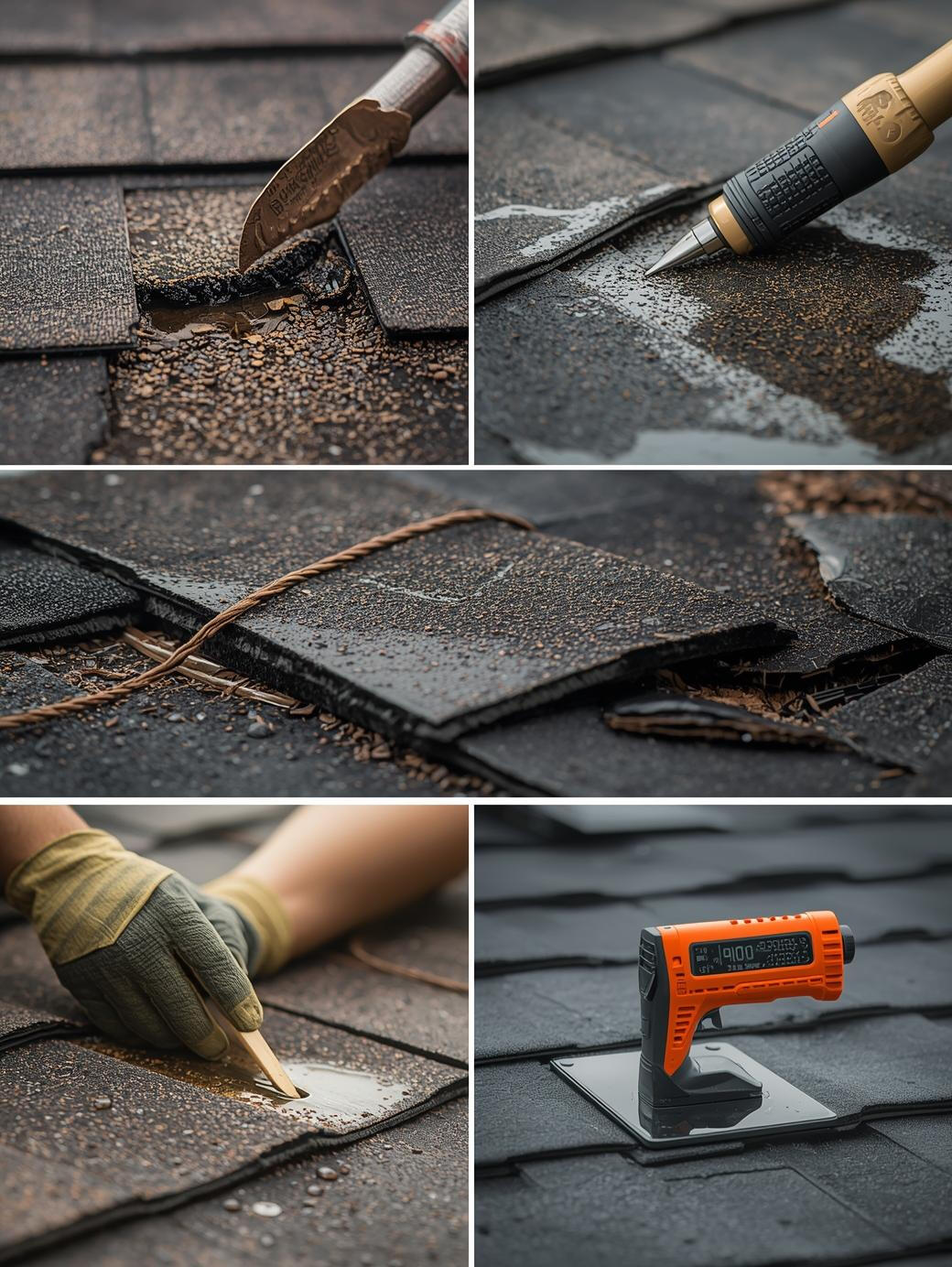
🔍 How to spot leaks, damage, weakness, and early failure—before the repair bill gets bigger.
1️⃣ Start With a Ground-Level Visual Scan (No Ladder Yet)
Before climbing anywhere, perform a wide-angle inspection from the ground. Look for:✔ Shingle Discoloration Patterns (Heat & Moisture Indicators)
Uneven fading or darker patches often mean trapped moisture, granule loss, or early shingle deterioration.✔ Sagging or Uneven Roof Lines
A straight roofline is strong.
A slightly dipped section means possible structural stress, rotted decking, or water saturation in the underlayment.✔ Damaged or Hanging Gutters
Loose gutters cause water overflow that attacks fascia boards and works its way under shingles.✔ Shingles Lifting at the Edges
If the edges look curled or lifted, this may indicate:
• mechanical wind uplift
• heat blistering
• adhesive strip failure
• aging asphalt losing elasticity
These are early signs of a future leak.
2️⃣ Inspect from the Ladder Edge (Safe but Close-Up)
You don’t need to walk the roof. Just stand at the top of a ladder and inspect key areas within reach. Focus on:🟤 Granule Loss (The No.1 Silent Failure Indicator)
Run your hand lightly over a shingle.
If granules come off like sandpaper dust, the shingles are weakening and losing UV protection.Check gutters—granule build-up means the shingles are wearing faster than normal.
3️⃣ Check All Penetration Points — the Real Leak Zones
Most leaks happen around areas where the roof intersects with another structure. Inspect:✔ Chimney Flashing
Look for:
• gaps between the metal and masonry
• rust lines
• loose counter-flashing
• dried, cracked sealant
Chimneys leak more from flashing failure than from the chimney itself.✔ Vent Pipes
Rubber boots crack under UV exposure.
If the rubber looks brittle, split, or curled, water will run straight into the attic.✔ Skylights
Check for moisture staining on the frame—this usually means flashing failure, not a skylight defect.
4️⃣ Inspect Roof Valleys (High-Traffic Water Channels)
Roof valleys carry more water per square foot than any other part of the roof.Technical signs of damage include:
• missing valley shingles
• displaced metal valley liners
• granule erosion forming a smooth channel
• debris buildup causing water poolingIf a valley looks smoother, shinier, or more worn than the rest of the roof, that’s a strong indicator of downstream leak development.
5️⃣ Go Inside the Attic – Your Most Accurate Leak Detector
Most roof damage announces itself in the attic long before reaching the ceiling. Turn off lights and use a flashlight. Check for:🌫 Moisture Fog or Damp Insulation
Insulation should be dry and fluffy.
If it looks clumped, flattened, or damp, moisture intrusion is occurring above.🌑 Pinpoints of Light Through the Roof Boards
Small visible holes mean gaps in decking, old nail holes, or shingle displacement.🟤 Brown Rings or Water Trails
These stain patterns reveal the direction water travels from the entry point to the attic floor.🪵 Soft or Spongy Decking
Press gently with a screwdriver.
Soft wood = rot caused by long-term moisture exposure.
6️⃣ Inspect After Rain, Not Just on Dry Days
A roof can appear perfect when dry. Water reveals everything. After a rainfall, look for:✔ Shiny Reflective Patches
These indicate areas where water sits longer than it should—sign of dipped decking.✔ Drip Noises Inside Walls
If you hear drips behind drywall, you have structural channeling of water.✔ Dampness Around Interior Window Frames
Not always a window problem—often roof and flashing failure.
7️⃣ Wind Damage Indicators (Often Invisible Until Close-Up)
High wind creates micro-tears in asphalt shingles. Signs include:• lifted shingles that flap when gently nudged• creases where the shingle bent backwards• missing adhesive strip bonding• shingle tabs with broken sealsEven if shingles look “in place,” a broken seal means water can now travel underneath.
8️⃣ Detecting Hidden Leaks With Thermal Clues
You don’t need expensive equipment—simple observations help.Heat differences:
Warm spots in winter or cold spots in summer along ceilings canindicate:
• wet insulation
• moisture around rafters
• air escaping through damaged deckingWet insulation loses thermal resistance, creating uneven temperature zones.
9️⃣ The Sounds Your Roof Makes Tell a Story
Some issues reveal themselves through sound, not sight. Listen for:• popping or cracking noises during hot afternoons → thermal expansion stressing weak spots• dripping sounds between walls → flashing or valley leaks• rustling noises → pests entering through openings you haven’t spotted yet
🔟 Signs of a Problem That Homeowners Often Miss
Most overlooked indicators include:• discoloration on fascia boards
• peeling exterior paint near gutters
• moss or algae growth concentrated in one area
• loose shingle nails found in the yard
• musty smell in upper floors
• ants or spiders gathering near attic openings (they follow moisture)These small clues point to much larger hidden problems.
Final Advice: Diagnose Smart, Not Hard
You don’t need to be a contractor to understand your roof — you just need to know where problems typically begin and how they evolve.If you spot:• moisture trails
• lifted shingles
• damaged flashing
• sagging surfaces
• attic dampness
• excessive granule loss…then a professional inspection is the next smart step.A trained roofer can confirm your findings, map out the damage, and recommend the safest and most cost-effective repair options.
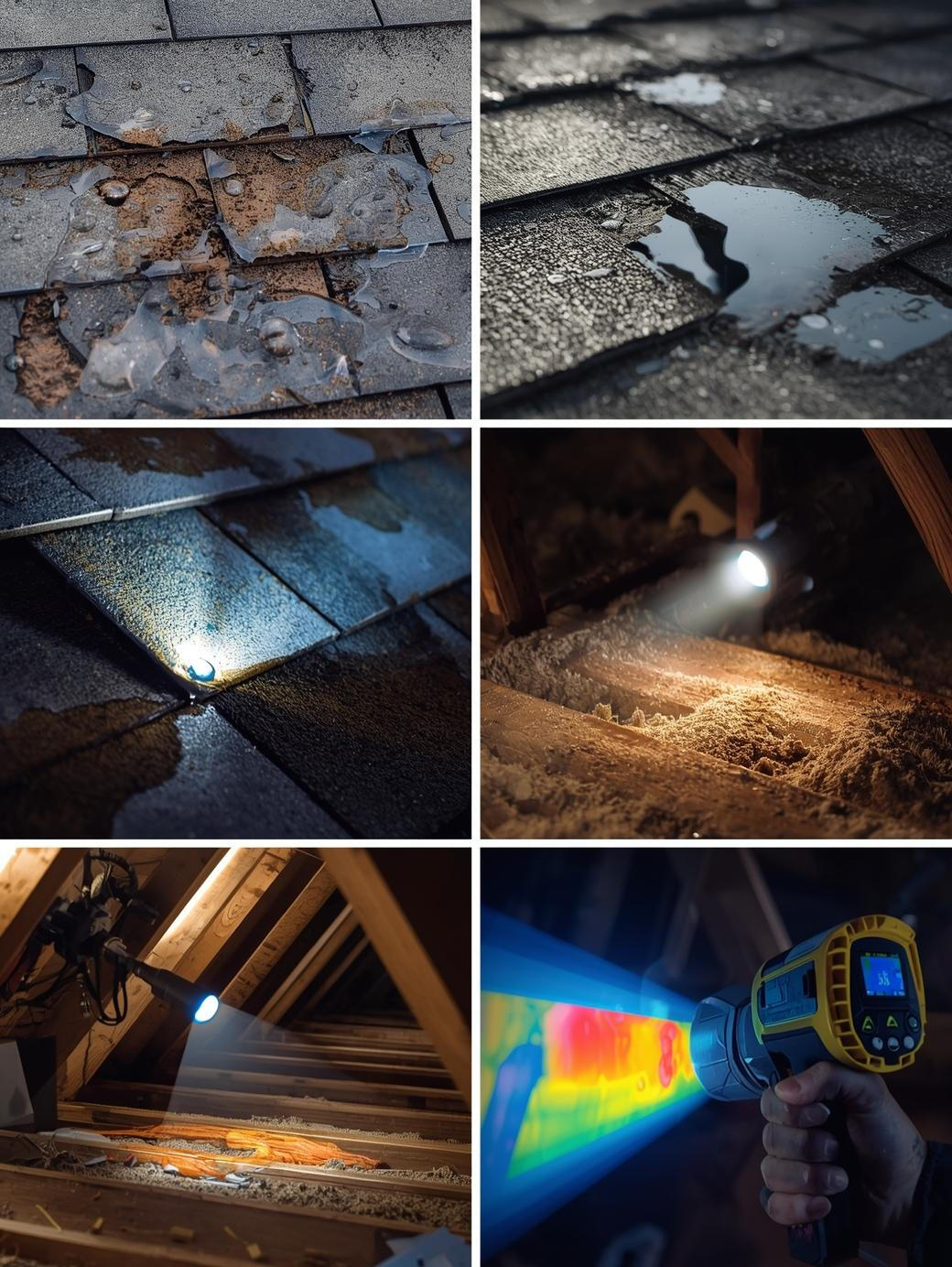
📚 What Case Studies Show (Real Patterns From Real Homes)
Roofing case studies across various states reveal the same consistent pattern:Case Study Pattern #1: The Quiet LeakIn many homes, a roof leak doesn’t begin with a hole — it starts with hidden moisture behind walls.Homeowners often notice it only when:
• Paint bubbles
• Ceilings discolor
• Mold shows up in cornersBy that time, the cost of repair is 4–6 times higher than if detected earlier.Case Study Pattern #2: Seasonal DamageHeat expands roofing materials.
Cold contracts them.
This repetitive movement leads to micro-cracks that slowly widen.Case Study Pattern #3: Roofs Fail in Sections, Not All at OnceIn almost every study, only 10–30% of the roof had real damage — but because homeowners didn’t catch it early, full replacement became necessary.
👷 What Roofing Experts Consistently Say
Here are the top insights shared by certified roof inspectors and industry professionals:“The first sign of a roof problem is usually not on the roof — it’s inside the house.”
Most people look outside, but pros start inside:
ceilings, attic boards, insulation, rafters.“If you wait for visible leaks, you’re already late.”
Experts emphasize that:
Visible leak = advanced leak.“Homeowners don’t need tools to identify early damage — just awareness.”
You don’t need to climb or measure anything.
Knowing where to look and what to notice is enough.
🏢 What Roofing Companies See Every Week
Roofing companies regularly encounter homeowners who say:
“I didn’t think it was a big problem.”
“It only leaks when it rains hard.”
“We meant to check it last year.”And roofers always respond the same way:
Most major repairs could have been avoided with an early inspection.Roofing professionals are trained to see:
✔ weak shingles
✔ sagging underlayment
✔ deteriorated flashing
✔ nail pops
✔ soft spots
✔ early rot
✔ attic moisture patternsBut first — YOU should know what’s happening, so you’re not dependent on someone else’s opinion without understanding the basics.
😟 What Homeowners Often Feel (You’re Not Alone)
Homeowners often admit the same concerns:• “I don’t want to get scammed.”• “I don’t know if I really need a replacement.”• “I can’t tell if it’s serious or not.”• “Roofing quotes are confusing.”• “Roofs are expensive… what if I make the wrong decision?”These fears are valid.
That’s why the smartest first step is awareness — not calling 10 companies for quotes.
🆘 How to Identify Roof Problems (Simplified Homeowner Checklist)
You don’t need technical experience.
Just look for these simple signs:Inside Your Home✔ Light yellow or brown ceiling spots
✔ Peeling paint around windows
✔ Attic insulation that feels damp
✔ Musty smell after rain
✔ Sunlight visible through attic boards
✔ Warm spots or cold drafts in the attic
✔ Dark lines on beams (moisture trails)Outside Your Home (Ground-only checks)✔ Shingles curling or lifted at edges
✔ Small piles of granules near downspouts
✔ Discolored streaks on roof surface
✔ Rust around chimney flashing
✔ Mold or algae growth
✔ Gutter overflowing even on mild rain
✔ Uneven roofline or slight dips
If you notice even one of these signs, the damage may be starting.
🔧 How Roof Problems Are Solved (Simple Breakdown)
Minor Repairs
– Replace damaged shingles
– Fix flashing
– Seal small leaks
– Reinforce weak spots
– Improve attic ventilation
– Clean & re-align guttersModerate Repairs
– Replace underlayment in sections
– Rebuild weakened parts of deck
– Correct water flow or drainage issues
– Install new moisture barriers
Full ReplacementOnly recommended when:– 40%+ shingles are aged or damaged
– The deck has structural issues
– Multiple layers of damage exist
– Repairs no longer stop recurring leaksThis is why early awareness saves thousands — most roofs don’t jump to “full replacement” unless the problem is ignored.
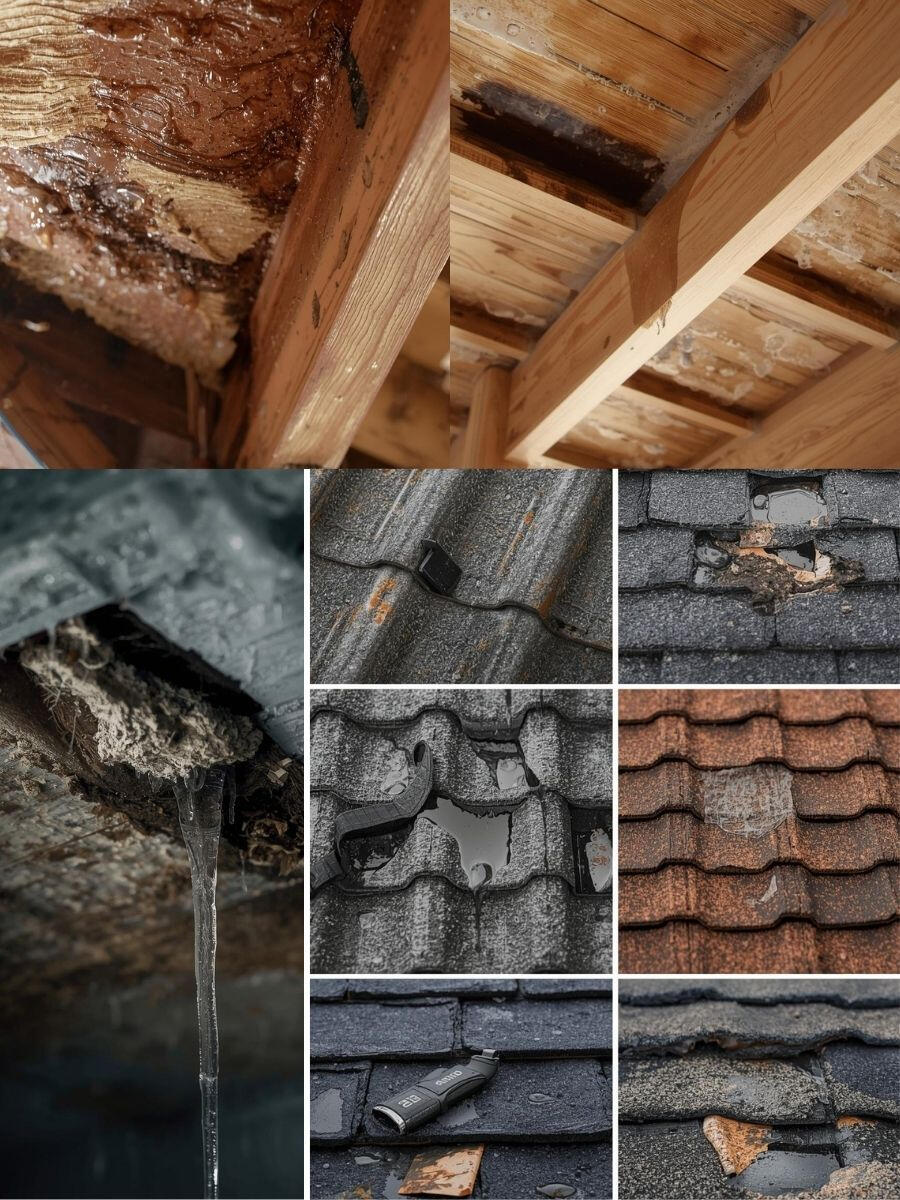
🔬 Useful Technical Terms (Explained Simply)
• Underlayment:
Waterproof layer beneath shingles that blocks moisture.• Flashing:
Metal protection around chimneys, skylights, and joints.• Ridge Vent:
The “breathing line” at the top of your roof.• Soffit:
Underside area of the roof overhang; crucial for airflow.• Decking:
Wooden base your entire roof sits on.• Ice Dams:
Winter ice buildup that forces water upward under shingles.Understanding these terms helps you talk confidently with professionals.
💬 Why a Roof Inspection Is the Smartest Next Step
You don't need to panic.
You don’t need to spend money right now.
You just need clarity.A professional roof inspection gives you:
✔ A clear understanding of the real issue
✔ Proof-based photos
✔ Repair vs replacement guidance
✔ Early detection that saves money
✔ Peace of mind knowing your home is safe
And the best part?
You don’t need to search for roofers. We help you find top-rated local professionals near you.Professionals who:
• Are trained
• Are trusted
• Know local weather and roofing types
• Provide transparent assessments
Your job is just to understand the problem first — and we guide you from there.
👉 Final Message ⛺
⚡ Your roof protects everything you love.Don’t wait for the “big leak.”
Don’t wait for the emergency repair.
Don’t wait until the cost climbs.Start by knowing your roof’s real condition. Then choose the right solution with confidence.We help you connect with trusted, experienced local roofing experts when you’re ready — no pressure, no confusion.
👉 get a no-cost inspection. find a near one
🏠︎
Emergency Plumbing Services: How to Handle Common Home Plumbing Disasters Before Help Arrives
🏠 Fast, reliable, and licensed local plumbers available 24/7 for emergency repairs, leak detection, and pipe replacements.
A plumbing emergency never happens at a convenient time. Whether it’s a burst pipe flooding your basement in the middle of the night or a sudden sewer backup right before a family gathering, plumbing disasters can cause severe structural damage to your home within minutes. When every second counts, knowing what immediate steps to take—and having access to trusted, licensed local professionals—can save you thousands of dollars in costly repairs.
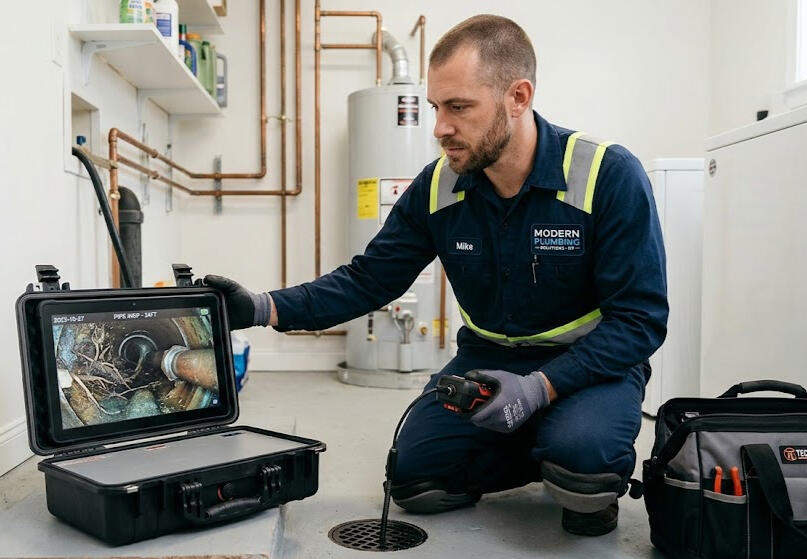
👷 1. Burst Pipes and Major Leaks: Immediate Action Required
A frozen or corroded pipe can burst without warning, releasing gallons of water into your walls or floors.
What to do immediately: Locate your main water shut-off valve and turn it clockwise to stop the water flow entirely. Open your faucets to drain remaining water from the pipes.
Why professional help is vital: DIY tape or clamps are only temporary. A certified plumber will inspect the surrounding pipe integrity, replace the damaged section using industrial-grade materials, and check for hidden water damage behind drywall.
🏢 2. Severe Clogs and Sewer Line Backups
Slow-draining sinks or gurgling toilets are often the warning signs of a main sewer line blockage. If left untreated, wastewater can back up into your tubs and showers.
Warning Signs: Multiple clogged fixtures simultaneously, foul odors coming from drains, or water pooling around your basement floor drain.
Professional Solution: Avoid harsh chemical drain cleaners that can corrode your PVC or cast-iron pipes. Expert technicians use high-resolution sewer camera inspections and high-pressure hydro-jetting to clear out tree roots, grease, and debris safely.
🟤 3. Water Heater Failures: No Hot Water?
Waking up to an ice-cold shower is frustrating, but a leaking water heater tank can also lead to catastrophic water damage or electrical hazards.
Common Culprits: Sediment buildup at the bottom of the tank, a faulty thermostat, or a broken pressure relief valve.
When to Call a Pro: If your tank is over 10 years old, leaking from the base, or making loud rumbling noises, it’s time to call an expert for a fast repair or high-efficiency tankless water heater upgrade.
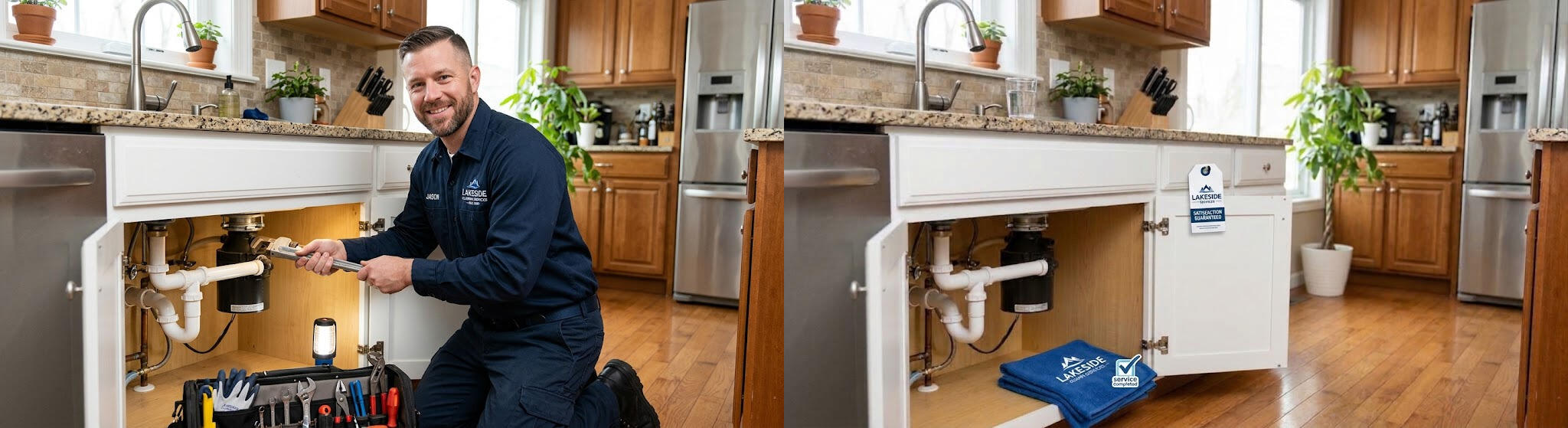
Don't let a plumbing emergency disrupt your home and peace of mind. Quick action prevents minor leaks from turning into major structural disasters.👉 Need an Expert Plumber Right Now?Connect with licensed, vetted local plumbing professionals in your area instantly. No waiting, no hassle—just fast service when you need it most.
🛡️ Emergency Response (Available all day)
👨🔧 Licensed & Insured Technicians (Vetted local experts)
⚡ Fast On-Time Arrival (Quick dispatch to your doorstep)
🏠︎
Professional Emergency Roofing Services: Protecting Your Home from Storms, Leaks, and Structural Damage
🏠 Fast, reliable, and licensed local roofing contractors available 24/7 for emergency roof repairs, leak detection, and full replacements.
Your roof is your home’s primary defense against harsh weather, heavy rain, and extreme temperature drops. However, severe storms, aging materials, or fallen tree branches can severely compromise your roof’s integrity in a matter of hours. When a roof leak begins dripping through your ceiling, delaying repairs can lead to widespread mold growth, weakened roof trusses, and costly internal home damage. Access to vetted, local roofing specialists is essential to securing your home quickly and safely.
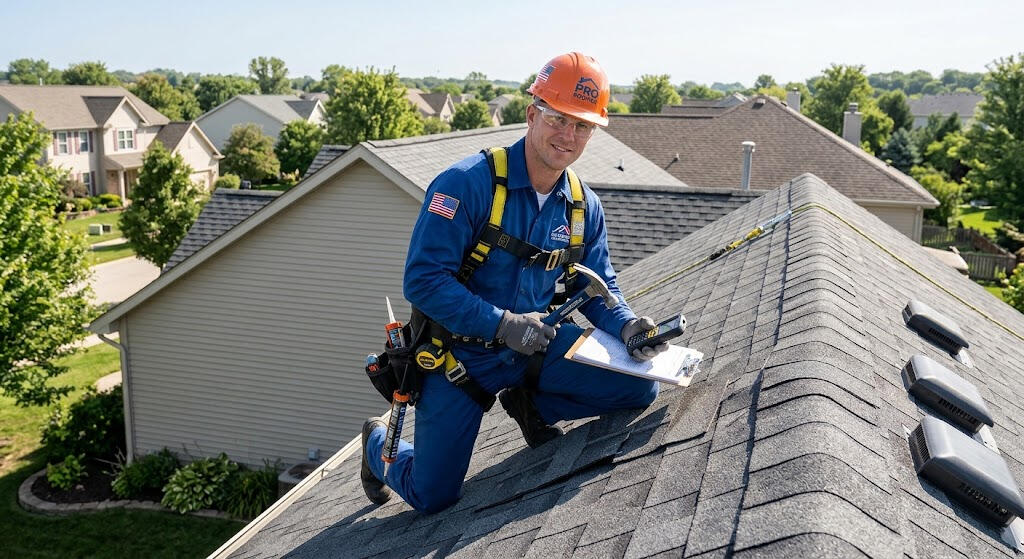
👷 1. Severe Roof Leaks and Missing Shingles After Storms
High winds and hail storms frequently tear off asphalt shingles, lift flashing, or create puncture holes that allow rainwater to pool in your attic.
What to do immediately: If water is leaking inside, clear the room of furniture, place buckets to catch dripping water, and avoid walking on a wet or damaged roof yourself due to extreme safety hazards.
Why professional help is vital: Professional roofers perform immediate emergency tarping to stop active leaks, assess hidden moisture under the decking, and replace damaged shingles using weather-resistant, heavy-duty materials.
🏢 2. Sagging Roof lines and Structural Damage
A visibly sagging roof is a red flag indicating severe structural fatigue, heavy water saturation, or damaged rafter beams.
Warning Signs: Drooping ceilings, cracked drywall near top floors, or a noticeable dip along the roof ridge line.
Professional Solution: Certified roofing contractors conduct structural stability assessments, reinforce load-bearing supports, and perform complete roof tear-offs or structural rebuilds where necessary to guarantee long-term safety.
🟤 3. Aging Roofs, Granule Loss, and Replacement Options
Most standard asphalt shingle roofs last between 15 to 25 years. Over time, shingles lose their protective granules, become brittle, and curl at the edges.
When to Replace: If your roof is past its lifespan, experiencing frequent leaks, or suffering from widespread granule loss in gutters, spot repairs are no longer cost-effective.
Modern Solutions: Modern roofing options—including architectural shingles, metal roofing, and energy-efficient underlayment—provide superior hurricane-grade wind resistance and significantly lower annual energy bills.
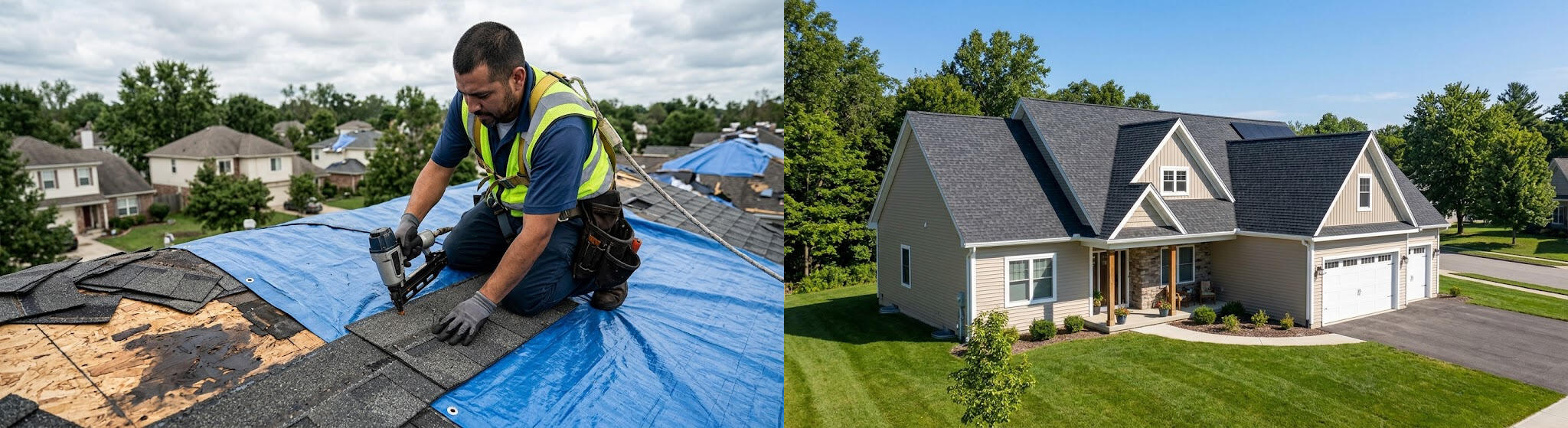
Don't wait for a small roof leak to destroy your ceiling, flooring, and electrical wiring. Immediate professional inspection protects your home investment and restores safety.👉 Need an Expert Roofing Contractor Right Now?Connect with licensed, insured local roofing professionals in your area instantly. Fast response times, transparent quotes, and trusted service.
🛡️ Licensed & Fully Insured (Top-rated local contractors)
🌧️ Emergency Storm Damage Tarping (Fast leak containment)
⚡ Free On-Site Inspections (Transparent damage evaluation)
🏠︎
Comprehensive Emergency HVAC Services: Heating, AC Repair, and Indoor Air Quality Solutions
🏠 Fast, reliable, and licensed local HVAC technicians available 24/7 for emergency AC breakdowns, furnace repairs, duct cleaning, and full system replacements.
Your home’s HVAC (Heating, Ventilation, and Air Conditioning) system is the invisible engine that keeps your living environment safe, comfortable, and energy-efficient throughout the year. Whether you are battling scorching summer heatwaves or freezing winter blizzards, a sudden breakdown of your air conditioner or furnace can quickly turn from an inconvenience into a genuine health and safety emergency. When temperature control fails, waiting days for a technician is simply not an option. Having instant access to vetted, certified local HVAC professionals ensures that your home climate is restored safely, efficiently, and without breaking the bank.
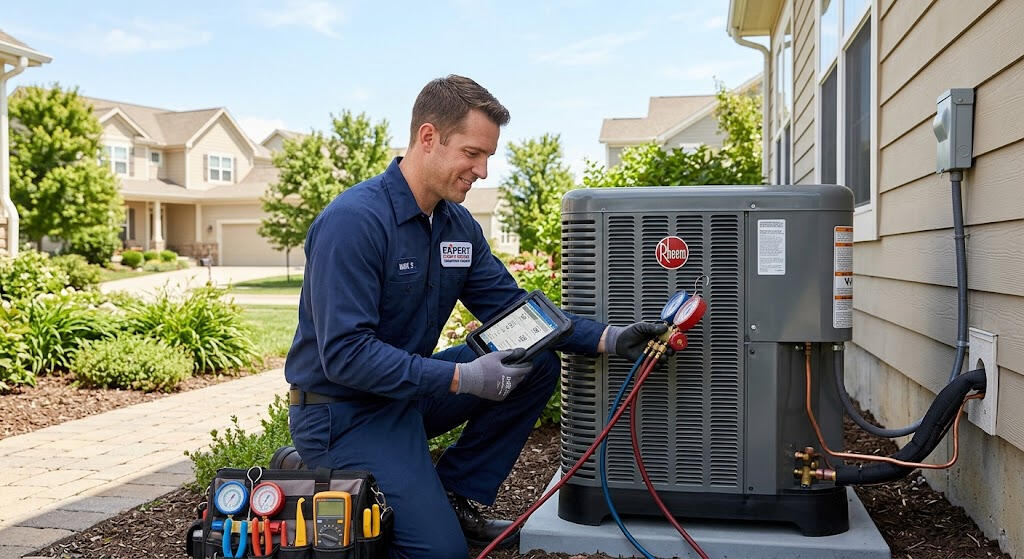
👷 1. Emergency Air Conditioning Failures During Peak Summer Heat
A malfunctioning AC unit during the peak of summer does more than make your home uncomfortable—it can create hazardous indoor conditions, especially for children, the elderly, and pets.
Common Warning Signs: Blowing warm air, strange grinding or squealing noises from the outdoor compressor, frequent short-cycling, or water pooling around the indoor air handler unit.
Immediate Troubleshooting vs. Pro Help: Before calling, check your thermostat batteries and breaker switch. If those are intact, avoid tinkering with refrigerant lines or electrical wiring. Certified technicians use specialized manifold gauges, digital multimeters, and leak detectors to diagnose electrical shorts or refrigerant leaks safely and restore cooling fast.
🏢 2. Winter Furnace Breakdowns and Carbon Monoxide Risks
A failing furnace during freezing winter months is an immediate safety hazard. Beyond losing heat, gas and oil furnaces carry the risk of mechanical failure leading to dangerous gas leaks or carbon monoxide exposure.
Red Flags to Watch For: Yellow or flickering pilot light instead of a crisp blue flame, unusual sulfur or burning odors, strange banging noises, or a malfunctioning thermostat that won't trigger the heating cycle.
The Importance of Professional Intervention: Cracked heat ex-changers or faulty gas valves require expert intervention. Licensed heating contractors perform rigorous combustion analysis and safety checks to ensure your home stays warm without compromising indoor safety.
🟤 3. Poor Indoor Air Quality (IAQ) and Ductwork Contamination
Many homeowners overlook the hidden network of air ducts circulating air through their living spaces. Over time, dust, pet dander, mold spores, and pollen accumulate inside ductwork.
Health and Efficiency Impact: High allergen levels can aggravate asthma and allergy symptoms, while blocked or leaky ducts force your HVAC system to work twice as hard, driving up monthly electric bills.
Advanced Solutions: Professional HVAC contractors deploy heavy-duty negative air pressure systems, rotary brush duct cleaning, and high-efficiency particulate air (HEPA) filtration upgrades to purify your home’s atmosphere entirely.
🟤 4. Aging Systems, Preventative Maintenance, and Energy Efficiency
Most standard HVAC units have an operational lifespan of 10 to 15 years. Running an outdated, inefficient system results in skyrocketing utility bills and frequent emergency repair calls.
When to Consider Replacement: If your system requires frequent expensive repairs, uses outdated R-22 refrigerant, or fails to maintain even temperatures across rooms, a modern high-SEER efficiency system will pay for itself through lower energy consumption.
Preventative Care Benefits: Enrolling in seasonal tune-ups (spring AC checks and fall furnace inspections) extends equipment lifespan, prevents emergency breakdowns, and maintains valid manufacturer warranties.
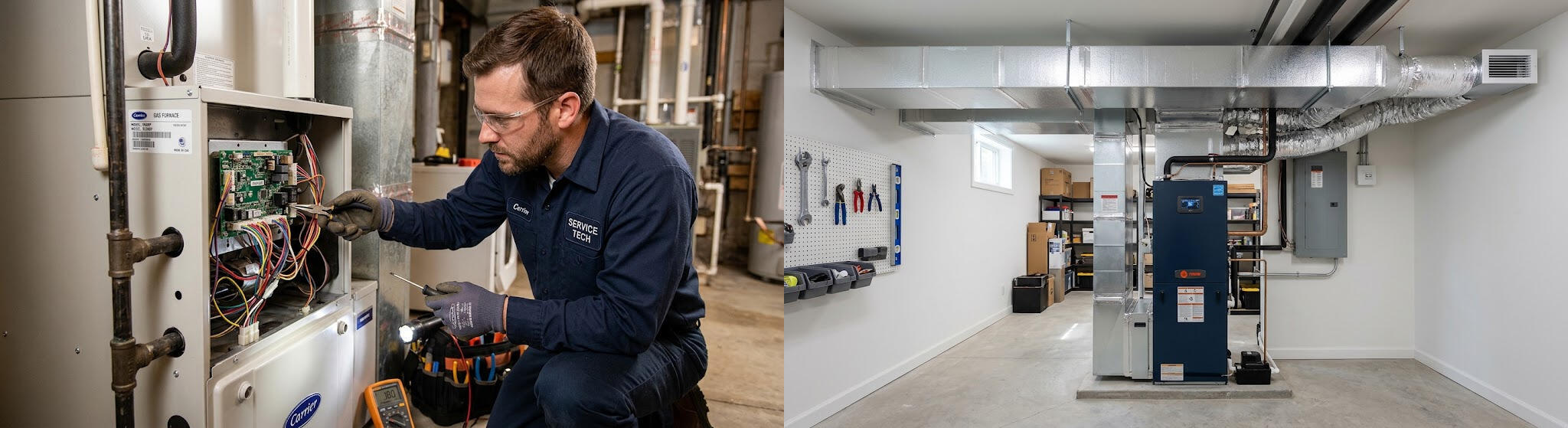
Do not let extreme weather and sudden HVAC breakdowns disrupt your peace of mind and home safety. Quick professional response prevents minor mechanical glitches from turning into costly system replacements.👉 Need an Expert HVAC Technician Right Now?Connect with licensed, vetted local heating and cooling professionals in your area instantly. Fast dispatch, transparent upfront pricing, and trusted 24/7 emergency service.
❄️ Emergency Climate Repair - ( Immediate Response - Available all day )
🛠️ Licensed & Certified Techs (Factory-trained local experts)
📉 Energy Efficiency Diagnostics (Lower bills & guaranteed performance)
🏠︎